When you begin noticing changes in the firmness of your face or jawline, it is natural to start looking at ways to improve them without surgery.
This is where HIFU, or high-intensity focused ultrasound, comes into the conversation.
HIFU uses concentrated ultrasound energy to reach targeted areas beneath the skin without surgery. It is used in aesthetic treatments intended to improve the appearance of skin laxity and facial ageing. Research suggests that focused ultrasound can produce measurable improvements in facial skin tightening, particularly where laxity is mild to moderate. [1][2]
However, calling HIFU a “facelift” can create unrealistic expectations. It is not the same procedure as a surgical facelift, and it cannot remove substantial amounts of loose skin.
So why do people choose it, and what should you realistically expect?
What is a HIFU facelift?
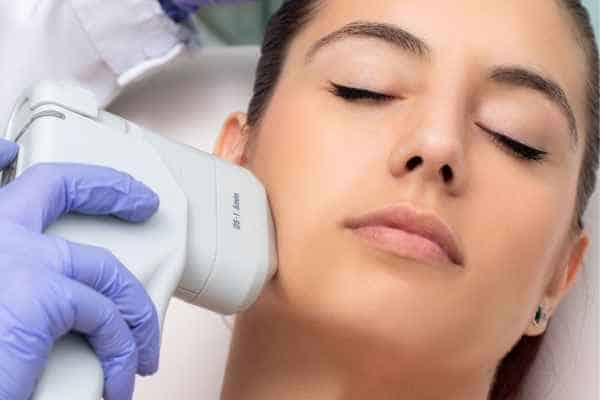
A HIFU facelift is a non-surgical facial treatment using focused ultrasound energy.
Unlike a surgical facelift, there are no surgical incisions, stitches or removal of excess skin. Instead, the ultrasound energy is delivered to selected tissue layers with the aim of creating a controlled thermal effect beneath the skin.
The ultrasound energy is directed into specific areas beneath the skin, where it is intended to encourage tissue tightening and remodelling. Studies of microfocused ultrasound have found improvements in facial skin firmness and wrinkle appearance, although the results are not the same for everyone. [1][2]
The phrase “non-surgical facelift” is therefore best understood as a description of the intended cosmetic effect, rather than suggesting that HIFU produces the same result as facelift surgery. See here: Before and After Of HIFU
Why do people consider HIFU?
One of the main reasons is that some people want to address early or moderate signs of skin laxity without undergoing an operation.
You may be considering HIFU if you have noticed:
- Less definition around the jawline
- Mild sagging around the lower face
- Changes beneath the chin
- Loss of firmness in the cheeks or neck
- Fine lines associated with ageing skin
- A preference for a non-surgical approach
That does not automatically mean HIFU is the right treatment for you.
The amount of skin laxity, the quality of the skin, facial structure, age-related changes and your expectations all influence whether an ultrasound-based treatment is likely to be worthwhile. Check Out: HIFU vs Botulinum Toxin: Understanding the Differences
A proper assessment is therefore more useful than choosing a treatment based solely on age or a photograph.
How does HIFU work?
Focused ultrasound is different from the ultrasound commonly associated with diagnostic imaging.
During an aesthetic HIFU treatment, ultrasound energy is directed towards specific depths beneath the skin. The energy produces a controlled thermal effect in the targeted tissue.
This is intended to stimulate tissue contraction and longer-term remodelling processes. Research into microfocused ultrasound has found evidence of facial tightening, although the results are generally more modest than those achieved through surgery. [1]
The important point is that HIFU does not simply “lift the face” like an operation. The treatment works within the limitations of the individual’s existing skin and tissue.
This is why a consultation should focus on what you are actually hoping to change rather than simply asking whether HIFU “works”.
Is HIFU suitable for everyone?
No.
Research suggests that HIFU/MFU tends to be more appropriate for mild to moderate facial skin laxity. Results may be less predictable where there is significant excess skin or more advanced tissue changes. [1]
Suitability also depends on the area being treated, your medical history, the condition of your skin and the particular device and treatment protocol being used.
A reputable provider should be prepared to tell you if another option would be more appropriate rather than treating everyone who enquires.
What does HIFU treatment feel like?
HIFU treatment is not necessarily painless. The sensation can vary from person to person, with some people experiencing warmth, tingling or discomfort during treatment. Temporary redness, tenderness or swelling may also occur afterwards. [1][2]
Depending on the treatment area and settings used, you may notice warmth, tingling, pressure or short bursts of discomfort.
Your experience can also depend on individual sensitivity and the treatment protocol.
This is worth discussing during your consultation so you know what sensations may occur rather than being promised that treatment will be completely comfortable. See Here: How Often Can I have a Total Skin Tightening Treatment?

Is there any downtime after HIFU?
One attraction of HIFU is that it does not involve the surgical recovery associated with a facelift.
However, no surgical recovery does not mean no possible reaction.
Temporary redness, swelling, tenderness or sensitivity can occur following focused ultrasound treatment. Less common effects have also been reported in the scientific literature, including altered sensation, bruising and other local reactions. [1][2]
Your provider should explain the expected recovery period and what to do if you experience an unexpected reaction.
When will you see HIFU results?
HIFU results are not necessarily immediate.
Some people may begin to notice changes relatively quickly, although improvements can continue to develop over the following weeks and months.
Published research has reported improvements in facial skin tightening following treatment, but studies use different devices, energy settings, treatment areas and assessment methods. This makes it difficult to give every customer a single guaranteed timeframe or degree of improvement. [1][2]
This is an important distinction when comparing genuine treatment information with advertising promises.
Your results may depend on your starting level of skin laxity, tissue characteristics, age-related changes and the treatment approach used.
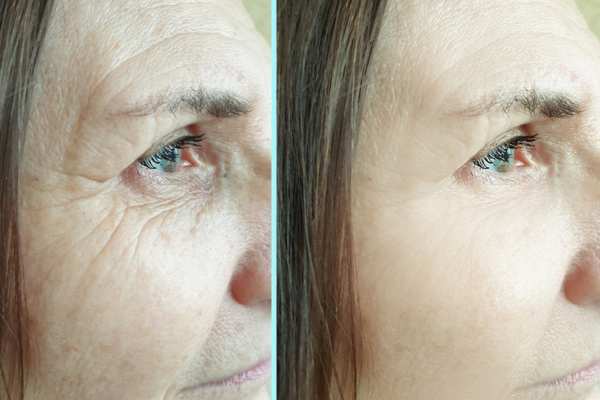
How long can HIFU results last?
There is no single guaranteed duration that applies to everybody.
Ageing continues after treatment, so HIFU should not be viewed as permanently stopping the ageing process.
Some studies have followed patients for several months and reported continued improvement during follow-up, but longer-term evidence is more limited. [1]
A responsible consultation should therefore avoid promising that your results will last a particular number of years.
Instead, the focus should be on whether the expected degree of improvement is appropriate for your individual concerns.
HIFU versus a surgical facelift
The two treatments should not be viewed as interchangeable.
A surgical facelift involves an operation and can address significant skin laxity and excess skin. The NHS notes that recovery can take around two to four weeks, with bruising, swelling, numbness and scarring among possible consequences, alongside more serious surgical complications. [3]
HIFU does not remove excess skin and does not provide the same degree of structural change as facelift surgery.
Its appeal is different: it offers a non-surgical approach for people whose concerns may be suitable for a more modest tightening treatment. Check: Double chin before and after HIFU treatment
For someone with substantial loose skin, a surgical consultation may therefore be more appropriate than assuming HIFU will provide a surgical-level lift.
What are the risks?
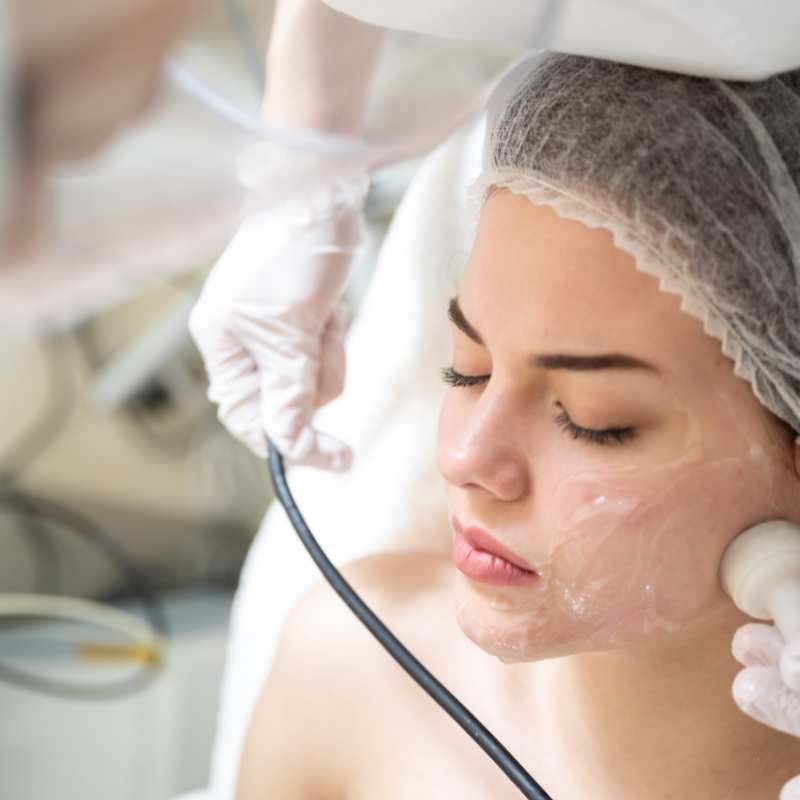
No cosmetic procedure should be described as completely risk-free.
The evidence around focused ultrasound reports temporary effects such as redness, swelling and pain, while less common adverse effects have also been documented. [1][2]
A 2024 systematic review and meta-analysis reported evidence that focused ultrasound may improve skin rejuvenation, although the studies differed in their treatment methods and protocols. [2]
This is one reason treatment should be approached on an individual basis.
If you have a new, unexplained lump, persistent skin change, suspicious lesion or other medical concern, seek appropriate medical assessment rather than assuming a cosmetic treatment is the answer.
Questions worth asking before choosing HIFU
If you are considering HIFU, don’t be afraid to ask questions before committing to treatment. A consultation is your opportunity to understand whether it is genuinely suitable for you.
Useful questions include:
- Could HIFU address the amount of loose or lax skin I have?
- What kind of result would be realistic in my situation?
- What could I experience during and after treatment?
- Is any discomfort likely?
- What happens if you decide I am not suitable?
- Which device will be used and why?
- Who will perform my treatment?
- What aftercare and support will I receive?
- What should I do if something doesn’t feel right afterwards?
- Are there other treatments I should consider instead?
By the end of the consultation, you should have a clear idea of what the treatment involves, what it may realistically achieve and where its limitations lie.
Is HIFU worth considering?
For the right person, HIFU can be an option when the goal is to improve the appearance of mild-to-moderate facial skin laxity without undergoing surgery.
The key is not to think of it as a replacement for every facelift.
HIFU has limitations, results vary and treatment is not suitable for everyone. The most useful starting point is an honest assessment of what you want to change and whether the treatment can reasonably address it.
At Lipo Sculpt, we can discuss your concerns and whether HIFU is appropriate for you.
The aim should always be to choose a treatment based on suitability and realistic expectations, rather than simply choosing the treatment with the most impressive promise.

EM Chair FAQS
Q: Is HIFU the same as a facelift?
No. HIFU is a non-surgical treatment that can help improve the appearance of mild skin laxity. A surgical facelift is an operation that can remove excess skin and make more significant changes to the underlying facial tissues.
Q: Is HIFU painful?
It can be uncomfortable, although everyone’s experience is different. You may notice warmth, tingling, pressure or brief discomfort during treatment. Your practitioner should explain what you can expect before you begin.
Q: How much skin laxity can HIFU treat?
HIFU is generally more suitable for mild-to-moderate skin laxity. Where there is significant excess or heavily sagging skin, HIFU may not provide the level of change someone is looking for and another treatment may be more appropriate.
Q: Are HIFU results permanent?
No cosmetic treatment should be presented as permanently stopping facial ageing. Results vary and long-term evidence is more limited than short- and medium-term evidence.
Q: How soon can I get back to my normal routine after HIFU?
HIFU does not involve the surgical recovery associated with a facelift, but temporary redness, swelling, tenderness or sensitivity can occur. Your provider should give you individual aftercare advice.
Q: Should everyone over 30 have HIFU?
No. Age alone should not determine suitability. The condition of your skin, degree of laxity, treatment area, expectations and individual circumstances are more relevant.
Q: What should I do if I have significant loose skin?
The best approach is to have your skin assessed before deciding on treatment. HIFU may be suitable for some levels of laxity, but more substantial excess skin may require a different treatment approach.
References
[1] Haykal D, et al. (2025) — A Systematic Review of High-Intensity Focused Ultrasound in Skin Tightening and Body Contouring. Aesthetic Surgery Journal. Supports evidence on HIFU effectiveness and safety.
[2] Pan R, et al. (2024) — Efficacy and Safety of Intense Focused Ultrasound for Skin Rejuvenation: A Systematic Review and Meta-Analysis. Archives of Dermatological Research. Supports efficacy and safety discussion.
[3] NHS (2023) — Facelift (Rhytidectomy). Covers surgical facelift procedures, recovery, risks and limitations.
[4] Ling J, Zhao H. (2023) — A Systematic Review and Meta-Analysis of the Clinical Efficacy and Patients’ Satisfaction of Micro-focused Ultrasound Treatment for Facial Rejuvenation and Tightening. Aesthetic Plastic Surgery. Supports evidence on facial tightening and patient outcomes.
[5] ASA/CAP — Cosmetic Interventions Guidance. Provides guidance on responsible advertising and substantiation of cosmetic treatment claims.
[6] GOV.UK — The Licensing of Non-Surgical Cosmetic Procedures in England. Provides information on proposed regulation of non-surgical cosmetic procedures in England.
For More Information, please call us today on 03300101799